11 Worldschooling Tips From a Family That Often Got It Wrong
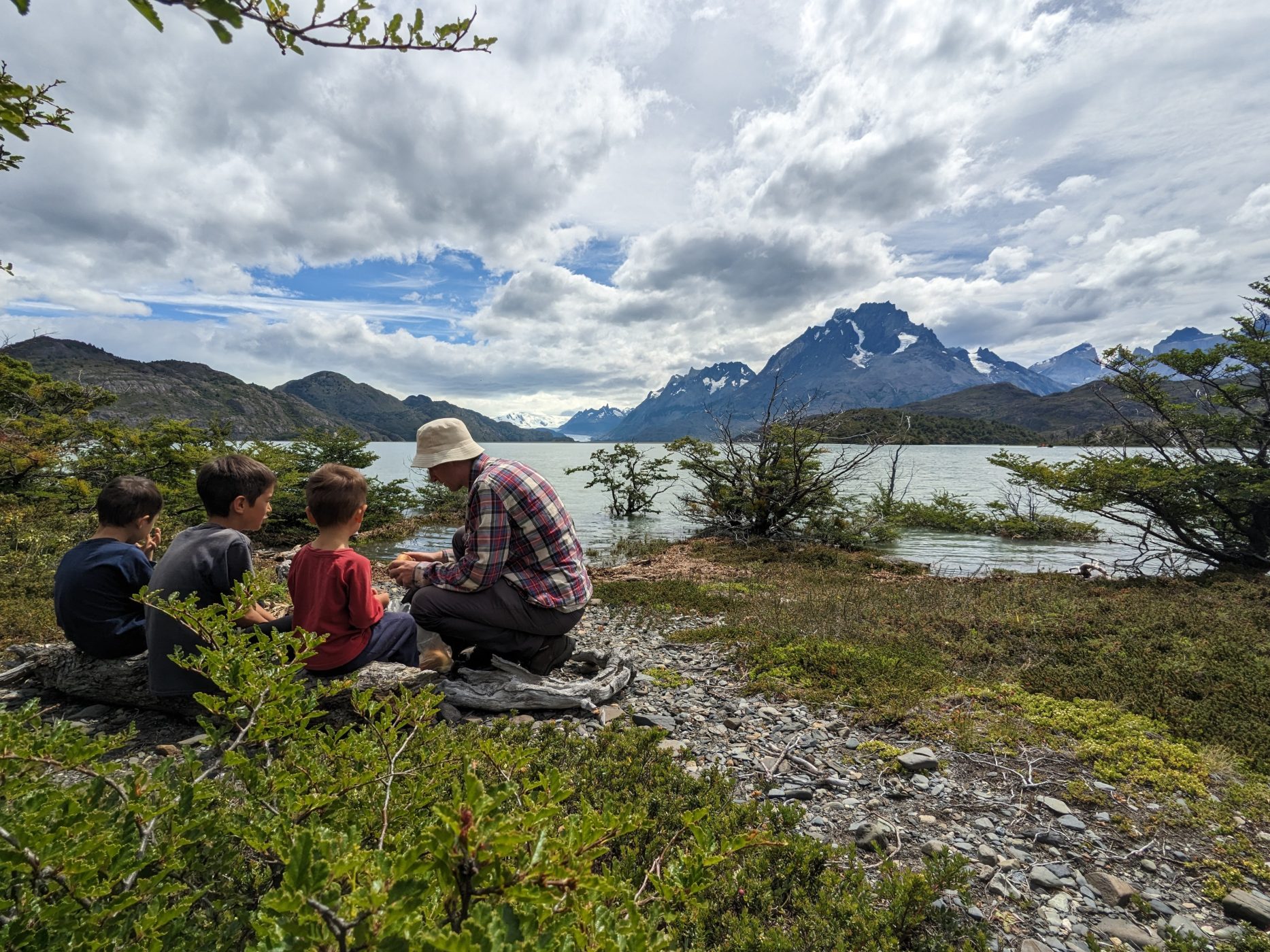
Here are the practical tips we either discovered or wish we had followed while we were worldschooling our three boys.
What is Worldschooling
Worldschooling is a version of homeschooling that combines travel with education. Some take international journeys, others stay domestic. Some families backpack, others live out of a van, and some even live on a sailboat. The common thread is not just educating the kids while traveling, but integrating and leveraging the travel experience as part of the education.
Pros and Cons of Worldschooling
Chances are you are reading this because you lean favorably towards using travel as an education opportunity. So I’ll start with the cons.
As a parent-teacher, you are on your own. You will need to develop lesson plans while also working as your own travel agent and meal planner. Kids that thrive on competition among classmates—we have one of those—will be harder to motivate. Also, some children tend to behave for outside authorities better than their own parents. All three of our boys are like that.
On the other hand, the point of school is to learn real world skills and information. So why not encounter the world firsthand? For families that love to travel, opportunities abound to expose your children anything worth describing in a textbook. It’s also interesting to reflect on how witnessing the real thing—be it a volcano, a glacier, or a foreign country—leaves an entirely different impression than reading about it in books or, nowadays, chatbot outputs.
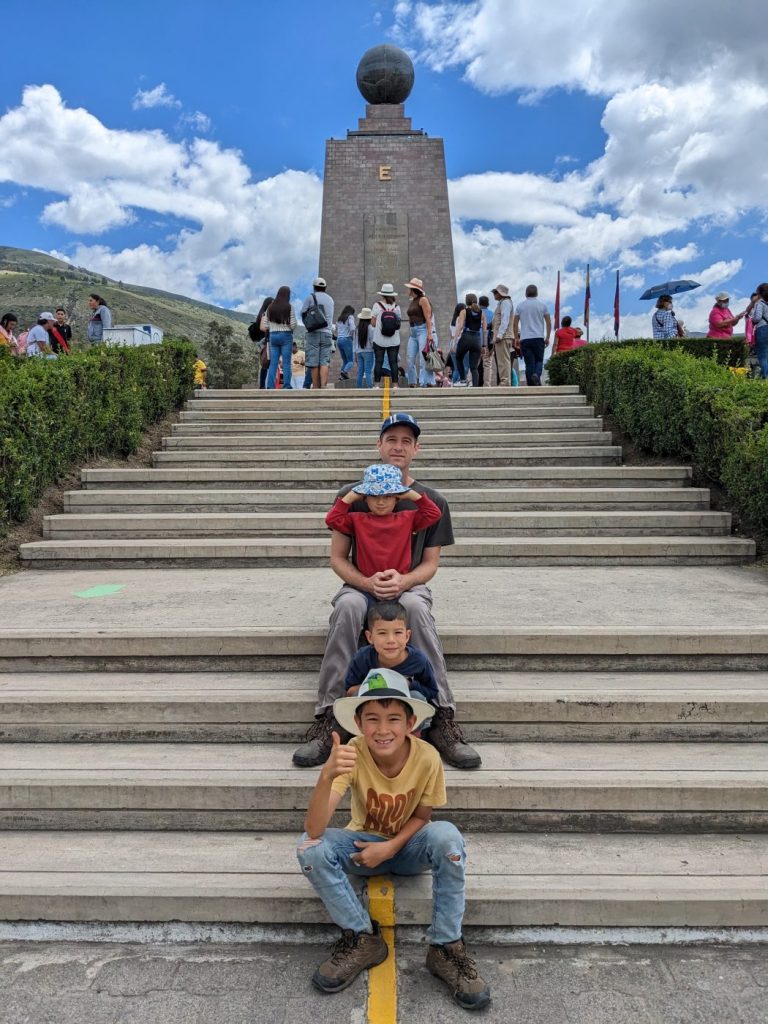
Our Overall Experience
We did not come to worldschooling from a strongly held educational philosophy. Rather, we wanted to take a gap year to travel internationally, and we had a window of opportunity to do so. The question of schooling came as a result of that decision.
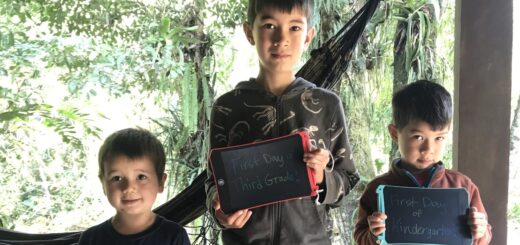
Our kids were three, five and eight at the beginning of the school year we spent abroad. Our oldest would have been in third grade and our middle child in kindergarten.
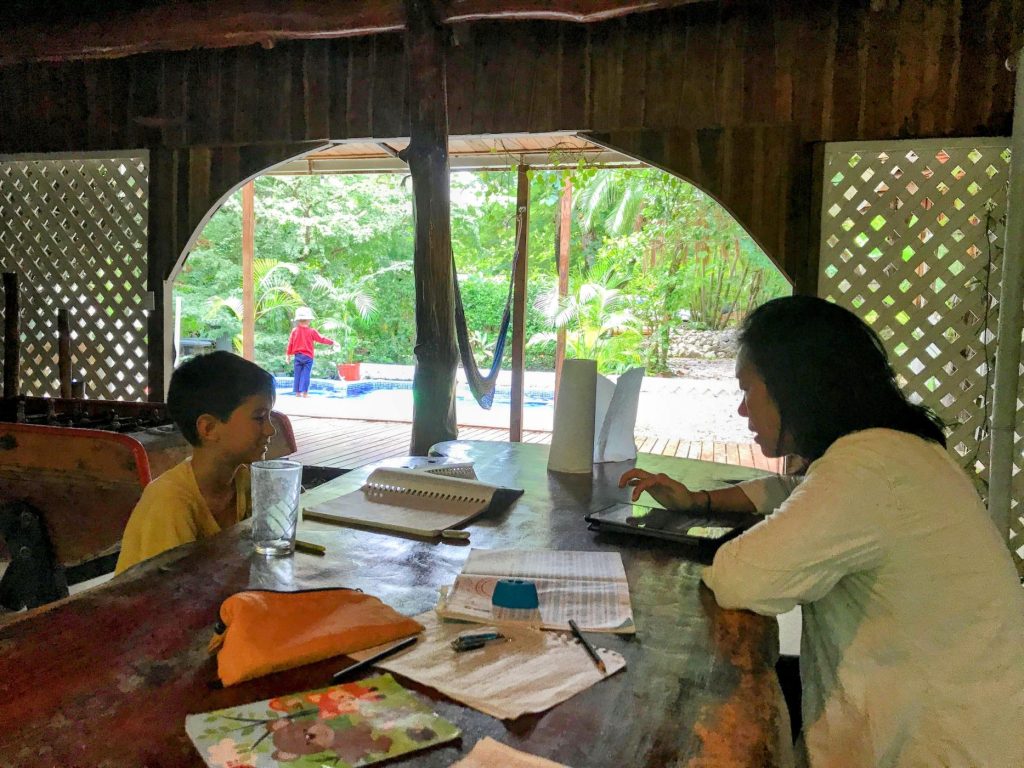
The day to day tasks of practicing hard skills like sight words and times tables were often rocky. (You can read about our experience here or read about it from the kids’ perspective). But, as you would expect, they learned a great deal more about geography, agriculture, language, currency conversion, climate, and nature than we grownups ever did in regular school when we were kids. And in case you’re wondering, the oldest two plugged back into their public school after a year away without any difficulty.
If you are planning to educate your kids while traveling, or are already doing so, then I invite you to make use of the following road-tested worldschooling tips.
Tip #1: Lean on digital tools.
I’m old school. I love physical books and certainly wouldn’t recommend spending more time on a screen than necessary. But books are dead weight, and that was a problem when each of our family members toted a single backpack. Curriculum on mobile devices saved the day.
We leaned heavily on Kahn Academy‘s free mobile app for literacy and math. It did the job and saved us a lot of lesson planning time. Our oldest son got interested in the online visual programming platform, Scratch. And of course, we did a lot of ad hoc online research about things we saw during our travels that surprised us or sparked our curiosity.
You can read about our full list of worldschooling “supplies” here.
Tip #2: Strive for consistency.
Expectations can be your best friend or worst enemy. If a child knows that after breakfast, they always do schoolwork for two hours, it will be less painful than if they were getting ready to bolt out the door and hop boulders in the river.
This is where we often fell flat on our face. Bitter tears of disappointment were common. Though we sometimes tried to be consistent, travel itineraries and our own freelance work schedules tended to scramble expectations.
On the other hand, there were a couple of weeks in the middle where we did establish a routine. The results in terms of academic progress and attitudes were a glimpse into how good it could have been.
Tip #3: Strive for periods of stability.
Speaking of routines, those can be difficult to establish if you never settle in. That rare consistent routine we achieved was soon to be squashed by a month of constant movement. In our defense, it was worth it to be able to see Patagonia and make it to South America’s southern tip. No regrets. But it also highlighted how much easier it was to maintain good habits when we were staying in places for weeks or months at a time.
Tip #4: Long haul transit is a perfect time to study.
Then again, if you’re on the move, those long haul flights and bus rides are the perfect time to work on academic skills. (It will also tamp down the “I’m bored” complaints!)
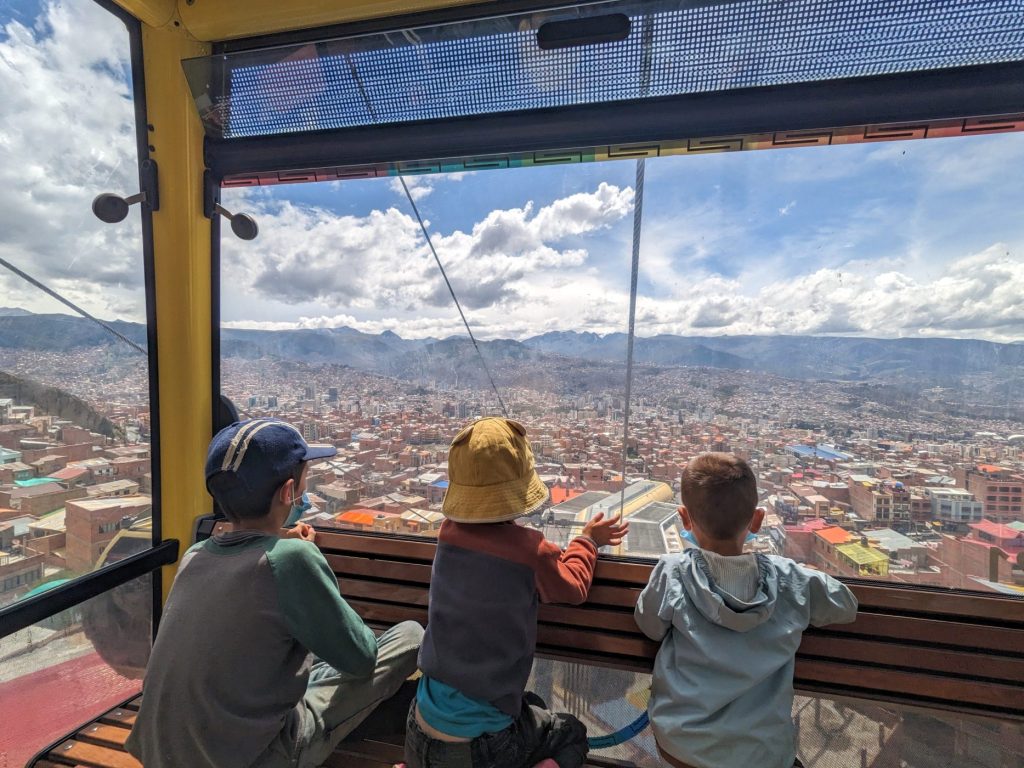
On the other hand, don’t over do it. The world outside is an education in itself. Make sure they peel their eyes from the screen and point them out the window sometimes.
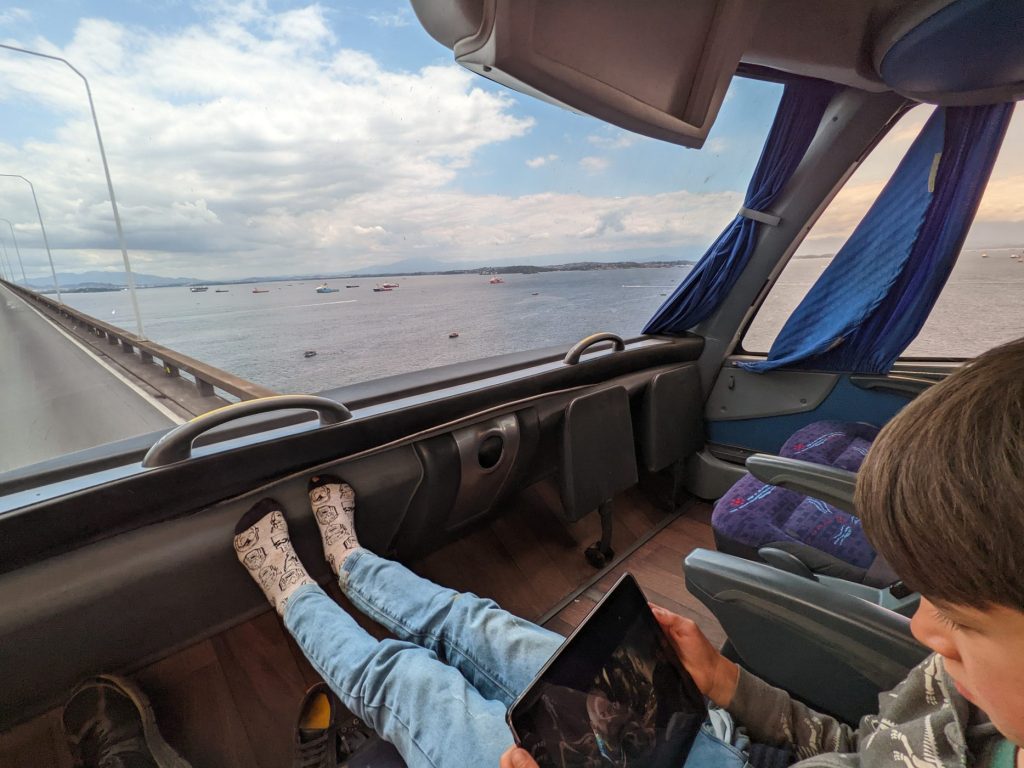
Rio de Janeiro, Brazil
Tip #5: Be flexible.
The thrill of travel is in the unexpected. Don’t be afraid to ditch the lesson plan and in favor of those serendipitous opportunities. (We did an excellent job at this, though often at the expense of keeping a good routine).
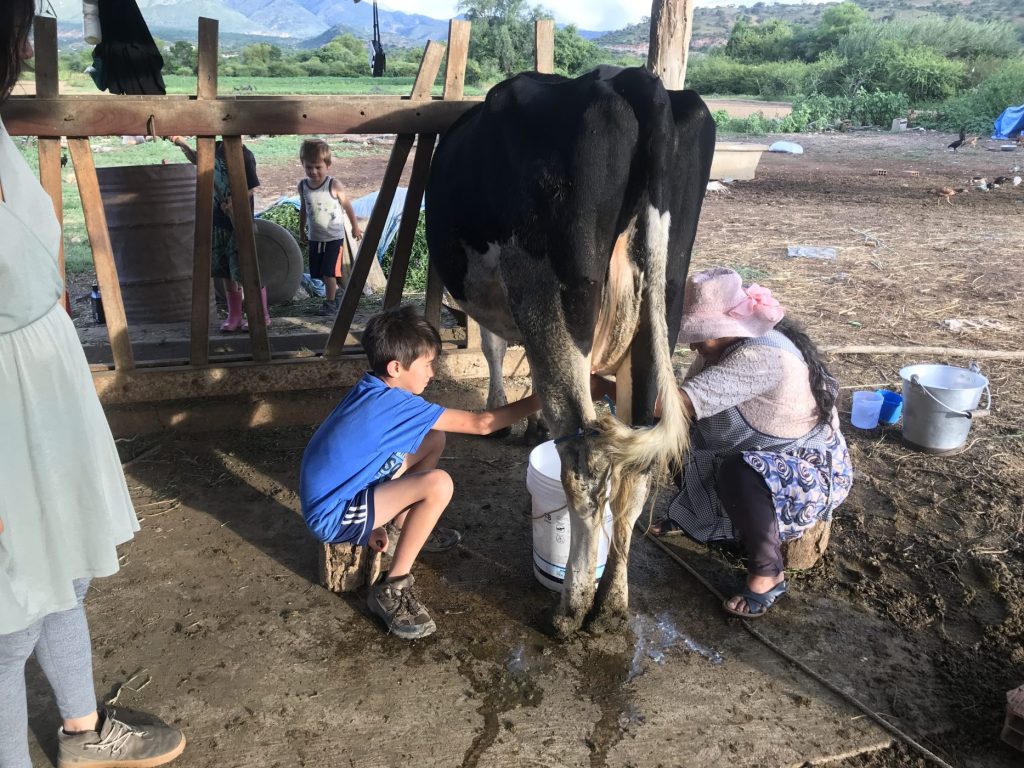
Mizque, Bolivia
Tip #6: Look for opportunities to volunteer and be part of a community.
Uprooting yourself from your home community can easily isolate you from all but the most superficial interactions outside the family. The times when our kids were most engaged and happy were when we plugged into a community.
We volunteered at several working farms. They were some of the highlights of our journey. The kids got to participate in chores. Oftentimes there were other kids, or at the very least dogs, to play with. They learned from other adults with their unique skills and perspectives on the world. Volunteering offered us a sense of purpose, challenged our worldviews, and gave us hands-on experience.
I will admit, it can be difficult to find volunteering opportunities that can host a family. But with some effort and negotiation it’s possible and supremely worthwhile.
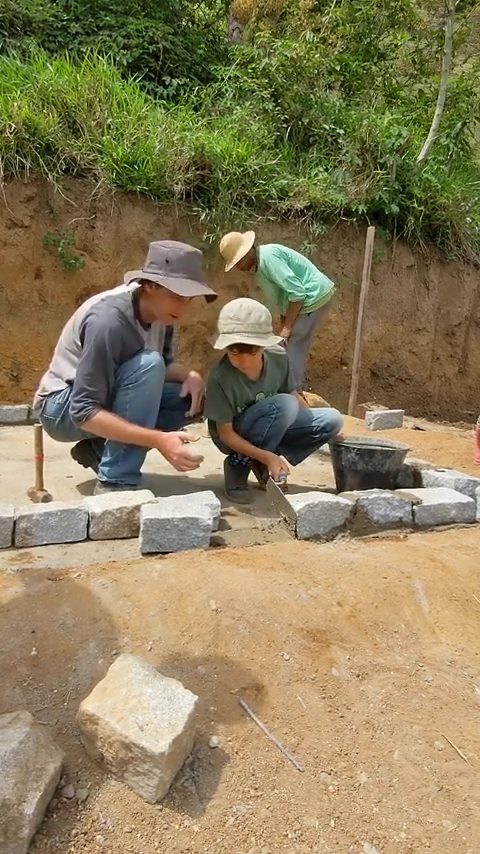
Tip #7: Give the child responsibility.
Travel is an adult-led activity where the child can feel like a helpless hanger-on. So find ways to give your worldschooler independence and agency. Here are a few ways we’ve done that in our family:
- Let the child lead the tour. This is ideal in places where cars are banned. Medieval European villages come to mind. This is especially fun when the kids are little and you can watch them pursue their own curiosity.
- Plan an itinerary. For older kids, let them do the research and even tabulate the expenses for an outing or day trip.
- Care for the animals. If volunteering on a farm, or even just staying with someone that has pets, this can be a way to let your child engage in the work. Our kids at various points fed chickens, dogs, turkeys and rabbits. They collected eggs and did other small chores around the farms we stayed at.
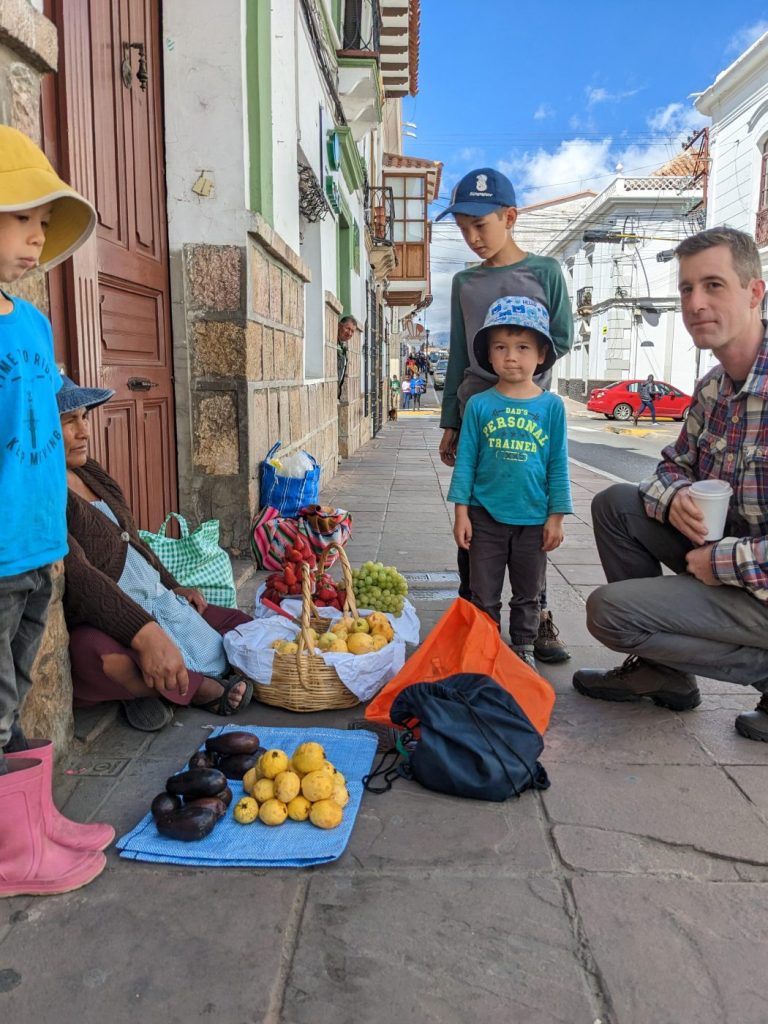
- Give them a shopping list. If your child is learning a second language, this can be excellent reinforcement. Ours were learning Spanish and we sent them on “missions” to get a list of goods. In one instance, we had them go by themselves to our host’s cabin to get some items. You could also do this by having them lead the way in open street markets where there are no cars. It might be intimidating at first, but in the end it’s a confidence booster.
- Encourage them ask for things. When learning a second language, fight the impulse to speak for them. Get them in the habit of ordering for themselves. If they drop a fork, have them ask the waitress for a new one. Asking “donde esta el bano?” or “cèsuǒ zài nǎlǐ” should roll off the tongue of your little Spanish or Mandarin learners.
Tip #8: Read a book about unschooling.
As I mentioned earlier, we don’t have strong opinions on education philosophy. We aren’t hardcore unschoolers (those who eschew a rigid curriculum and structure in favor of letting the child’s curiosity drive the learning). I wouldn’t even say our children are better off unschooled; they seem to happy in their public school.
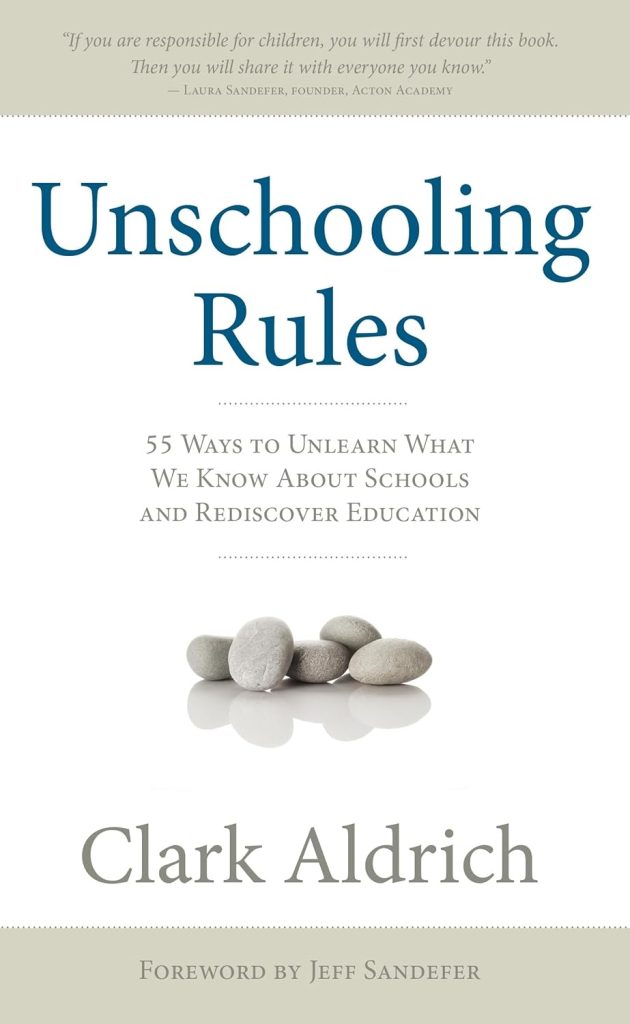
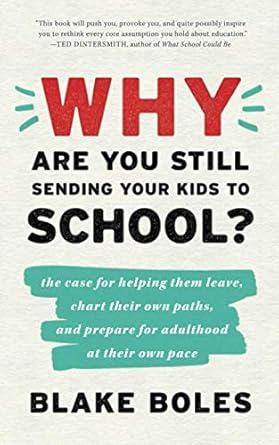
But if you plan to worldschool, it’s worthwhile taking a deep dive into the philosophy and principles of unschooling. It dovetails quite nicely with allowing your travels drive your curriculum versus an overly structured approach. I found a lot of helpful tips and perspectives in the books I read. (Unschooling Rules by Clark Aldrich and Why are You Still Sending Your Kids to School? by Blake Boles, in case you want to know). It also helped me not to freak out when we got behind on our formal lessons.
Tip #9: Use the world around you as your curriculum.
Sorry to state the obvious. This title of this tip is basically the definition of worldschooling. But I thought it might be worth listing some of our favorite learning experiences as a way to inspire ideas of your own.
- We did a chocolate making experience in Ecuador.
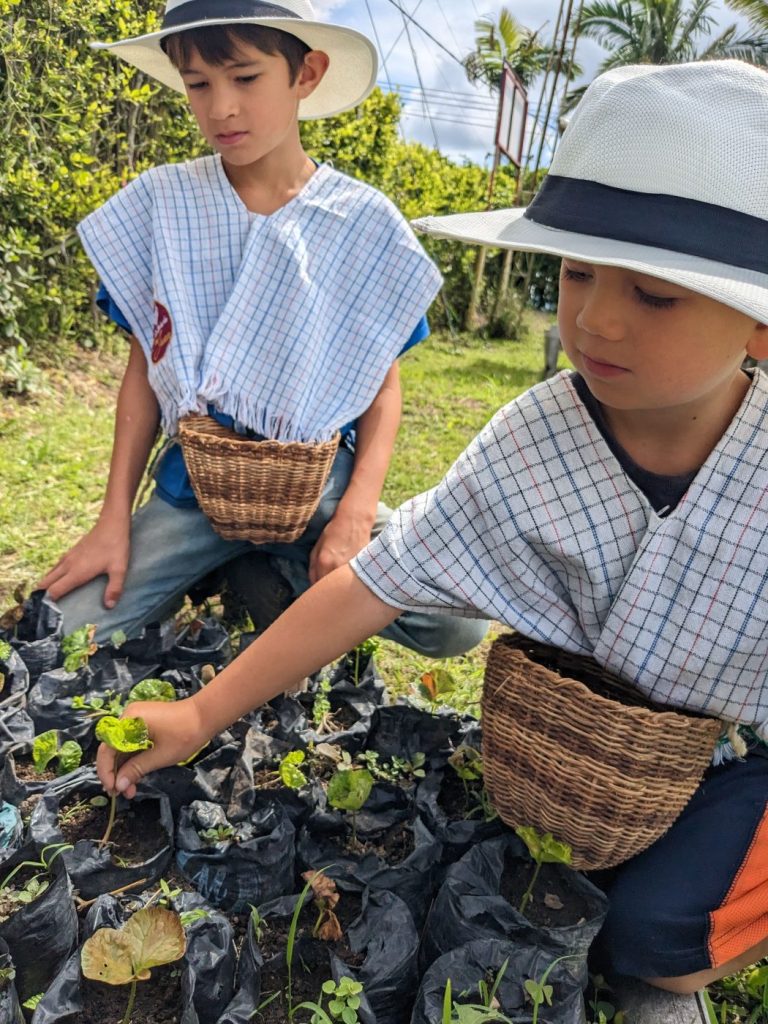
- Coffee plantation tours (our favorites were WakeCup in Pijao and Divisa de Don Juan in Pereira, both in Colombia).
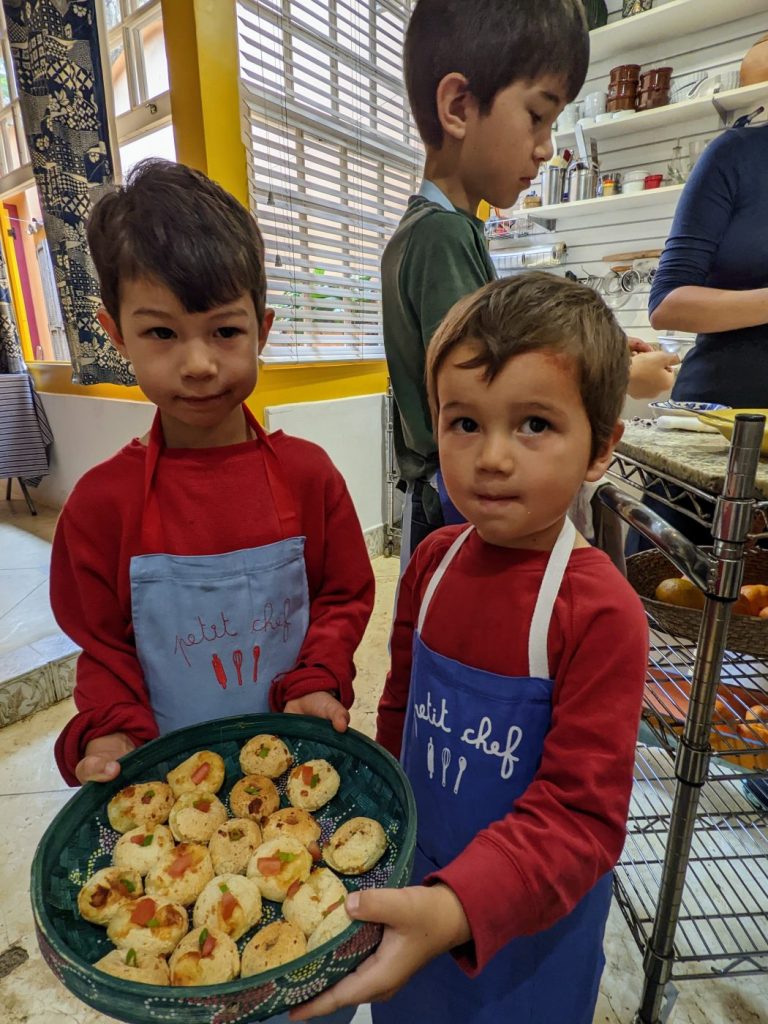
- Taking a cooking class with the author of The Brazilian Table.
- Seeing the penguins on Magdalena Island.
- Hiking into a volcano crater in Chile.
- Walking through the Templo del Sol ruins at Lake Titicaca.
- Having our oldest son write about his adventures for our blog (see: Ridiculous Short Stories and My Altitude Experience).
Tip #10: Reflect on your day.
Witnessing amazing and surprising things is only part of the education. Around the dinner table you must digest your day’s experiences along with the local cuisine. This is where you recount everything you learned about Brazilian political history at the museum in child friendly terms. Or deep dive into economics to explain why Argentina has two different currency conversions to dollars.
Oftentimes, our children asked great questions that revealed the gaps in our knowledge. Like how exactly does a rooster fertilize an egg?
Toward the tail end of our gap year, we tried to reminisce about all the things we saw and learned as a sort of meta-reflection. It was an impressive list!
Tip #11: Relax and let the world do the teaching.
Not all learning feels like an effort. Sometimes it’s more like play than work. This can be off-putting for both parent and child if your only notion of learning is memorization of disembodied facts.
We found it amazing all the things our boys picked up without us trying to teach them—names of the major cities in the countries we visited, different ecological and geographical regions, cultural and economic comparisons, numerous words and phrases in Spanish and Portuguese.
One of the most amazing instances of this recently was when our kindergartener correctly converted the price of a ball in Guatemalan quetzals to U.S. dollars. The ball was three quetzals and he estimated 40 cents (the answer was 39 cents when the conversion rate was 7.5 Q to 1 USD). It is beyond me how he did that without knowing how to divide in any formal sense. It just goes to show how capable our minds are at any age of solving real-world problems when they matter to us.
Some things must be studied and practiced, no doubt. But for the rest, relax and absorb the lessons the world around you freely gives.

Written and illustrated by the authors of this blog.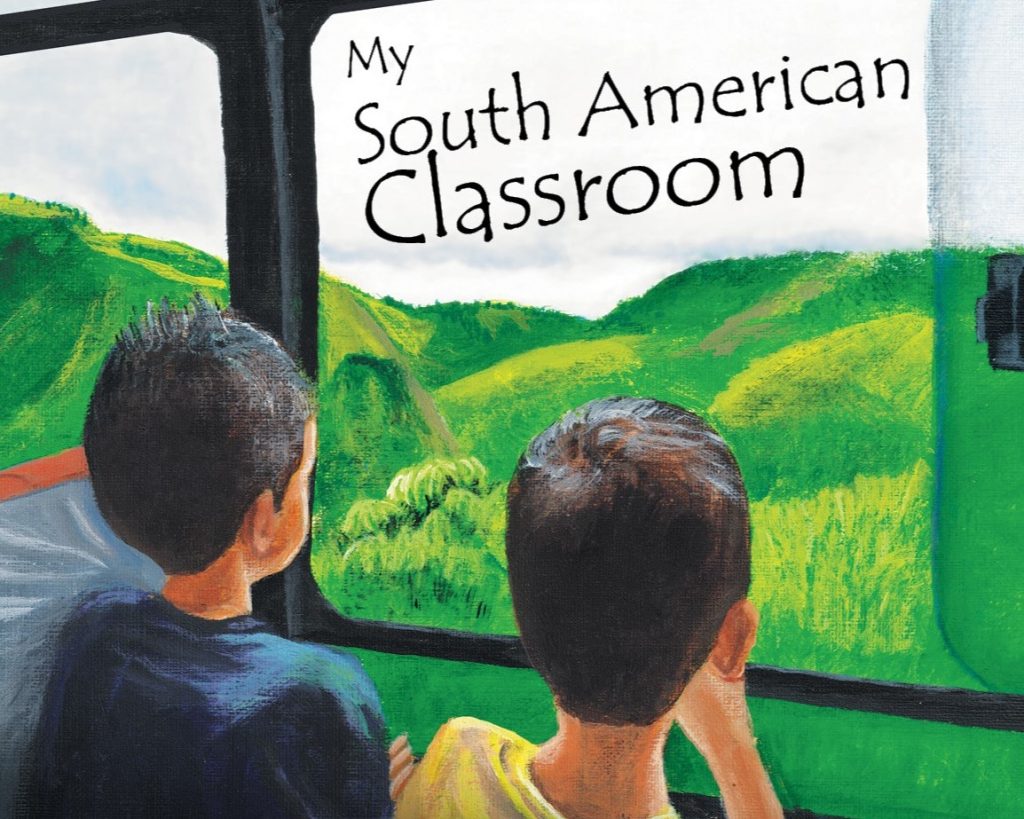
A Book for Little Travelers
A True Story From Our Gap Year