Eastern Puerto Rico for Lovers: 11 tips for a laid back, hike-filled adventure
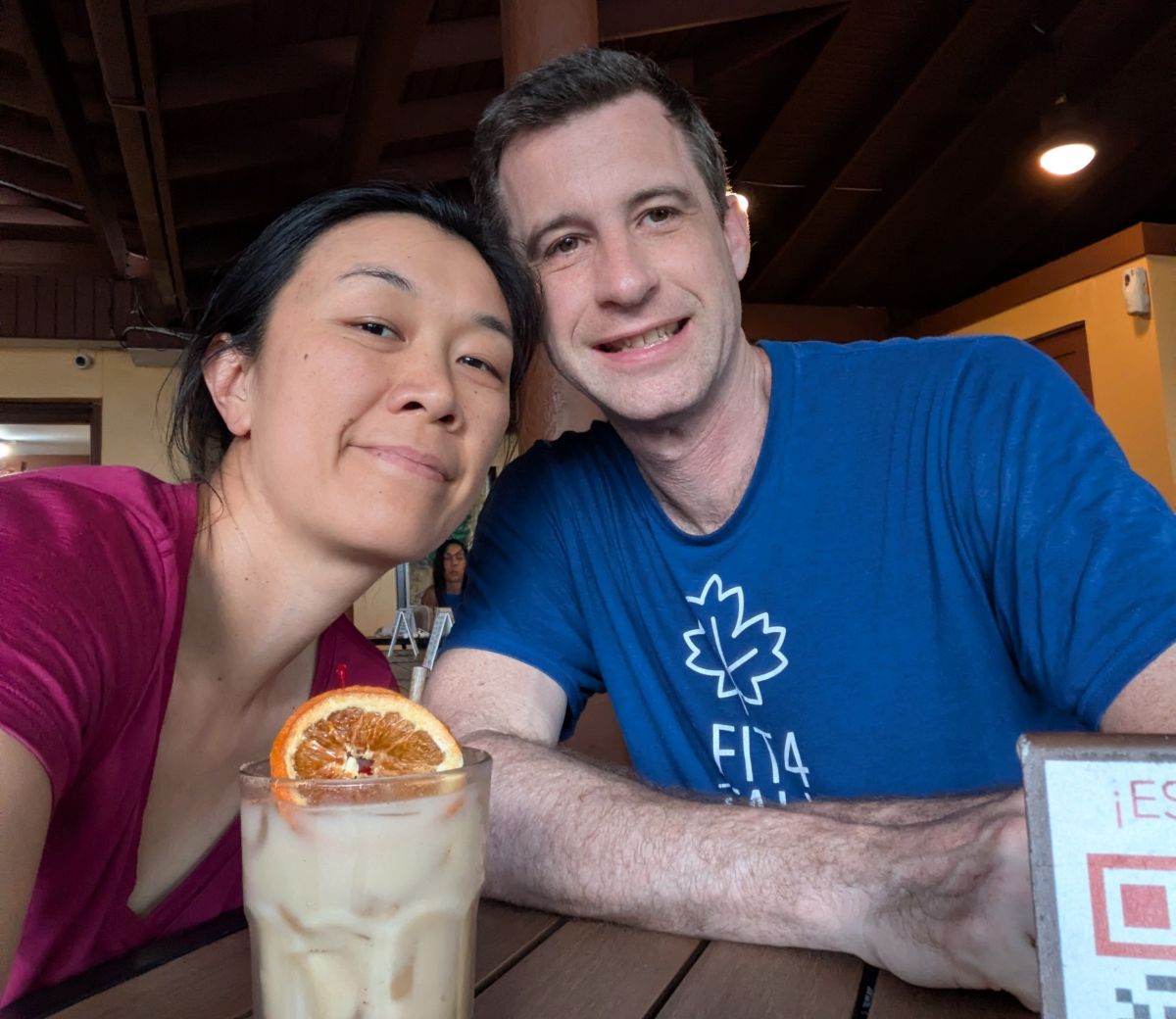
We took a quick 4-day getaway to the area around El Yunque National Forest in Puerto Rico recently, before the country’s rainy season (April to November). This was our first multi-night trip without kids since before we had kids, and it was absolutely heavenly to be able to do whatever we wanted whenever we wanted! Still, we didn’t laze around much. We hit the trails at the national forest and had a few adventures around the beach, as well as a scenic drive around the entire eastern side of the country on the last day. Here are some tips that might come in handy should you find yourself in this delightful corner of the land of Bad Bunny.
1. You don’t have to go through El Portal to get to the trails in El Yunque National Forest.
When you drive into the north side of the park from Palmer, the gateway town into the national forest, highway 191 will take you past a sign for “El Portal de El Yunque Rainforest Center.” When we went by, it seemed that all the cars were headed that way, so we assumed that maybe we needed to go through the gate (which is what “el portal” means) to be able to access trails.
We paid $8 per person and stopped at the visitor center to look at maps and ask the information desk for their recommended long-ish hike that day, as some intel on the internet seemed to indicate that portions of various trails were closed. Then we realized that the road out just took us back the same way we came in, and we hadn’t needed to pay at all to get to the trails! Oh well, we donated some money to the US Forest Service. Apparently there is a nice café and some boardwalks as well as a movie about El Yunque at the Rainforest Center, though we missed that.
2. The south side of El Yunque is worth a visit.
Because of a landslide that happened in the 70s, route 191 no longer connects the north and south sides of the park. The south side includes the Rio Sabana recreation area, Rio Sabana trail, and El Toro trail. The Tradewinds trail from the north side of the park also connects with both those trails. We drove around from where we were staying, near Luquillo, through Fajardo, Naguaba, and Rio Blanco, to get to the Rio Sabana Recreation Area, which is the trailhead for the Rio Sabana trail. For some reason Google Maps wouldn’t take us to the Rio Sabana Recreation Area so we set the destination to the Casa Cubuy Ecolodge to get us close enough and then just kept driving.
The Vereda Rio Sabana (“Vereda” means trail in Puerto Rican Spanish) took us on a light uphill climb for about an hour before coming to some lovely dipping pools. One looks right over the edge of the cliff, and is quite similar to the Infinity Pool that other travel blogs talk about. But this hike is quite safe, compared to the treacherous one to get to that pool!
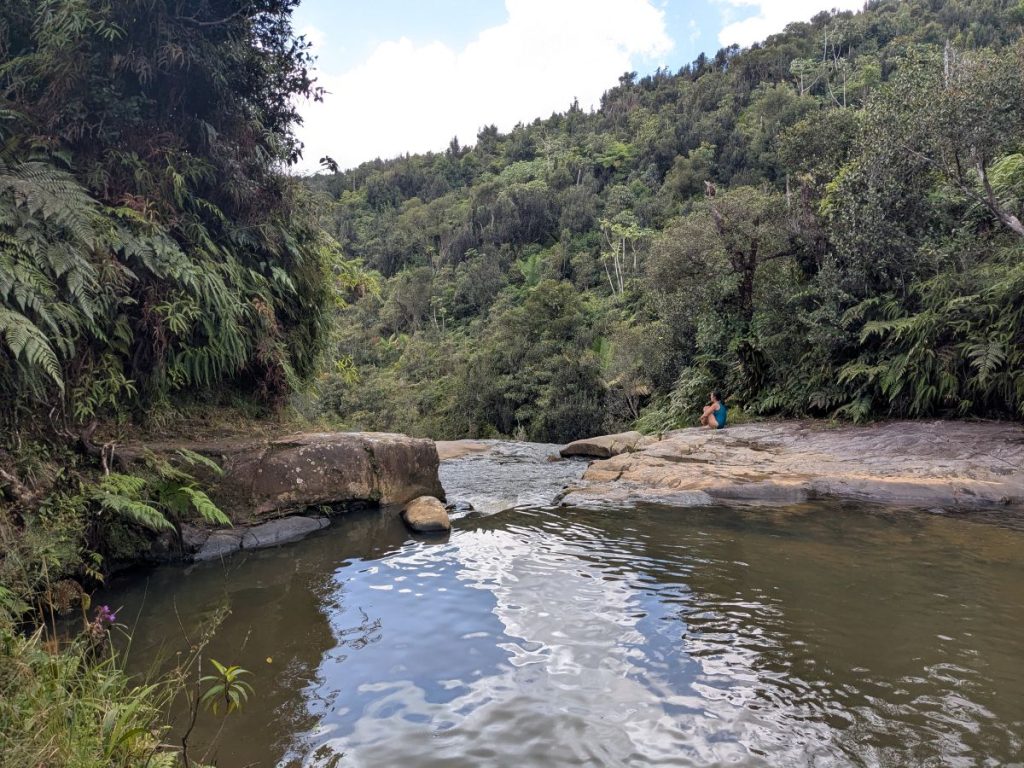
3. Enjoy a morning run to some natural swimming pools.
We stayed in an Air Bnb outside of Sabana, near Luquillo, which was close to the eastern entrance of El Yunque. For a couple mornings, Matt ran from our AirBnb to Vereda Angelito (some downhill and some very challenging uphill) in 20 minutes or so. I followed him in the car, and we took the short hike to enjoy a chilly dip in the natural swimming pools at the end of the trail. It was a great morning routine!
4. Find a local limber lady.
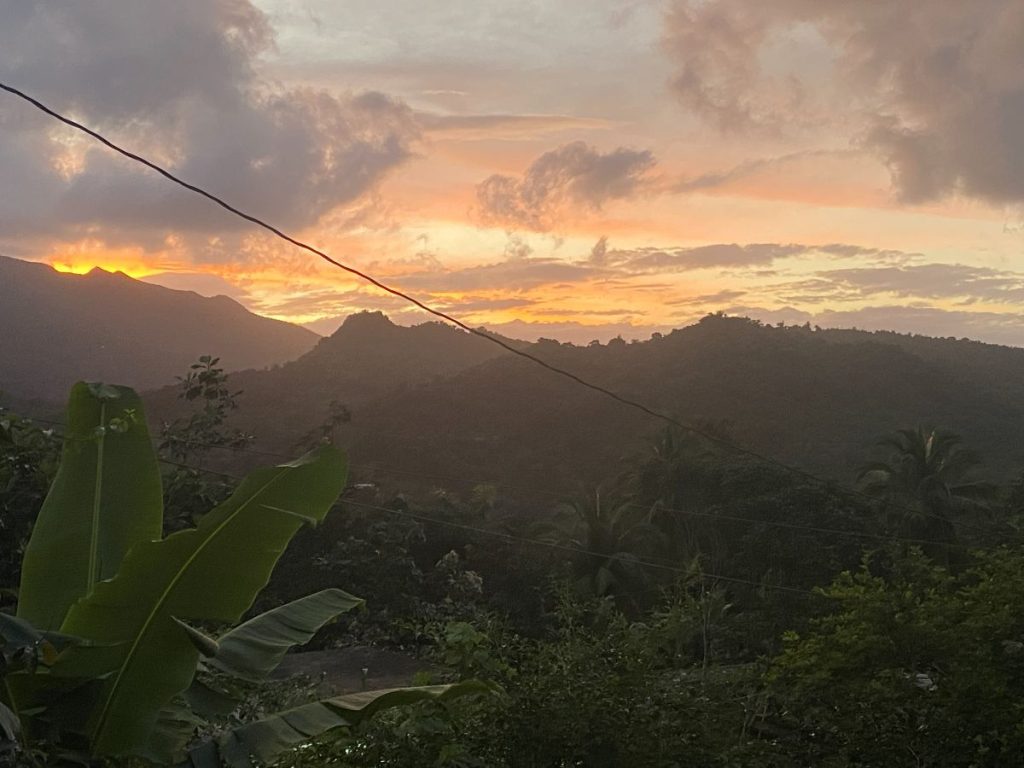
Our AirBnb host left us cryptic message upon our arrival, about the neighbor across the street selling delicious “fruit limbers.” We didn’t find out what she meant until the limber lady herself, Mary, came by to offer us some samples. Limbers are basically homemade popsicles in plastic cups without the stick, made of local fruits and other flavors. We tried Mary’s coconut limbers, and we were hooked. For the rest of our trip we made a ritual of sitting on the AirBnb balcony and looking out at the mist-covered peaks of El Yunque, slowly savoring the various limber flavors. Many were sourced from the fruit trees around Mary’s yard—parcha (passionfruit), limon (lime), tamarindo (tamarind), avena (oatmeal), coquito (spiced coconut rum), piña colada, raspberrie (raspberry), jobos (aka jocote), and coffee. The flavors were really spectacular.
We found out via that internet that limbers are named thus supposedly because Charles Lindbergh landed on the island and loved them, and his last name stuck. We highly recommend you find a local limber lady to get the most authentic tastes of the island!
5. Start from Playa Colorada to get to the hidden tide pool near Cabezas de San Juan.
Matt found an article about a lady who got a shark bite in the US Virgin Islands shortly before our trip, and decided he didn’t want to swim out in the open ocean. We found this enclosed tide pool swimming area on the map near the beaches around Fajardo. Starting from the Seven Seas Balneario, we walked eastward through a well-marked trail in the brush. We ended up at Playa Escondida, which would have been just fine for a swim, but this wasn’t the tide pool we had seen on the map. So we walked north along the beach until we couldn’t anymore (this was at low tide, so it was possible to wade along the shoreline). With nowhere else to go, we turned inward to bushwhack across the peninsula, which we don’t recommend without long pants.
On the other side, we did finally find the tide pool, which was too rough with ocean churn to dip in. But going south along the beach over the rocks, we found another smaller, entirely calm tide pool that we thoroughly enjoyed. We were able to get back to Playa Colorada from the rocks, and realized that if we had started from Playa Colorada it would have been much easier to get to the tide pools.
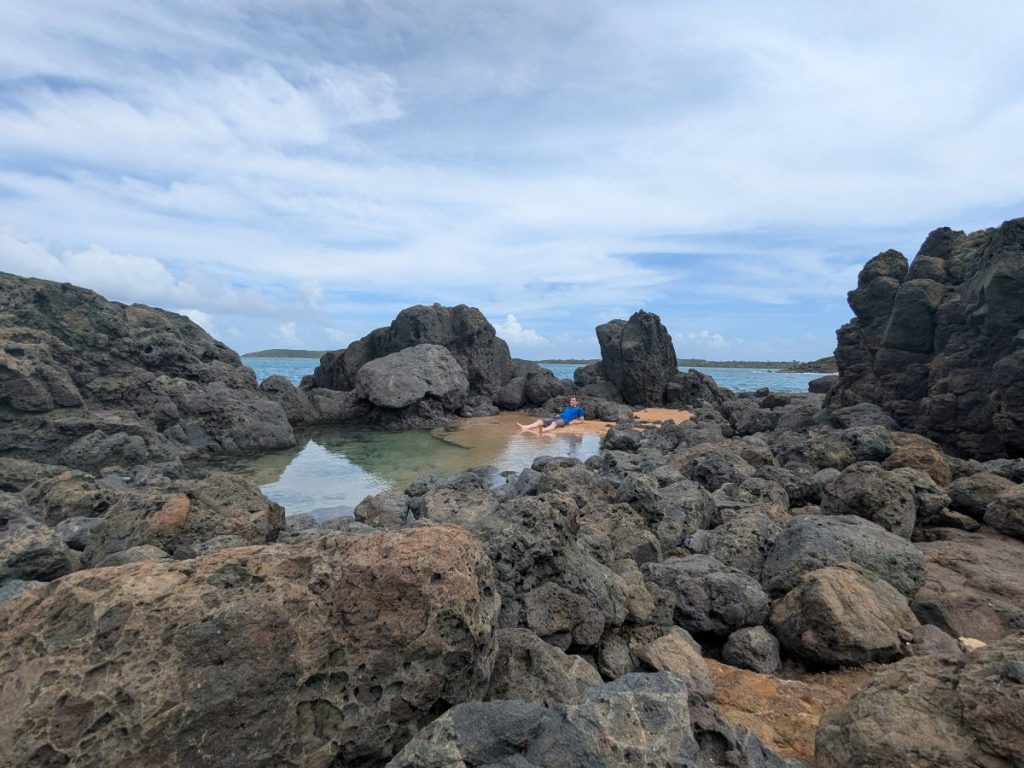
To get to Playa Colorada, take the same trail east from the Seven Seas Balneario, but then turn right at a sign that says “Danger” scrawled across in red spray paint (I think this is because there may be riptides at Playa Colorada), just a bit before you get to Playa Escondida. Playa Colorada itself is also worth a visit for its gorgeous colors. It’s also way less populated than the Seven Seas Balneario.
6. Don’t just go to the overpriced restaurants recommended to tourists.
Food in Puerto Rico is really expensive, even more so than the mainland United States! This is in part due to 80% of food in the territory being imported and the 1920 Jones Act, which requires domestic water transport to be performed by vessels that are U.S.-made, crewed, owned, and flagged. It makes it more expensive to transport mainland goods to PR, especially since the ports which send goods to PR had shrunk from 10 to 4, and mainly just Jacksonville, FL.
We did end up going to some restaurants that our host recommended to us: La Parilla, Flor de Coco, and Terruño, all at the Kioskos at Luquillo Beach. They were good, but catered to tourists and pricey. We tried to go to Lolita’s Mexican Restaurant but there was a waiting line out the door so we tried Pezkame Peruvian food next door instead (also good but pricey, and small portions).
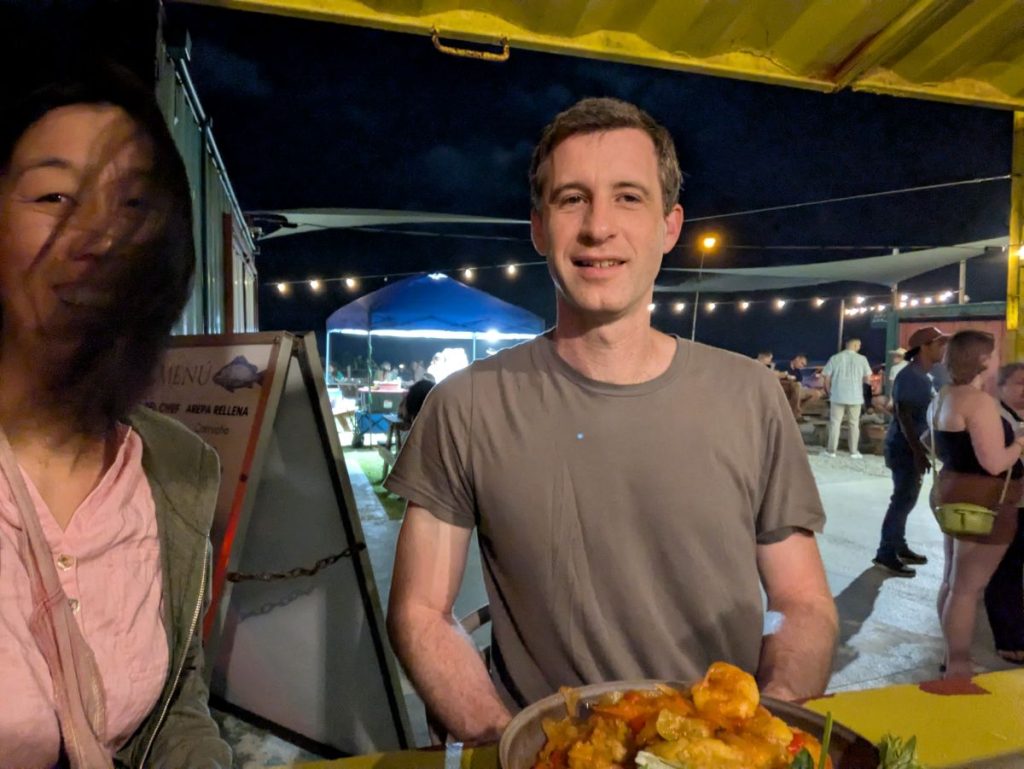
One night we ended up at El Patio in Luquillo, a collection of food stands run out of shipping containers lined up in a square by the beach. We tried CFood, which was delicious but also pricey, and the Empanadas place across the square (good but they gave us the wrong flavors of empanadas). El Patio was fun to take in the beach vibes and people watch, and they had live music the night we visited.
For brunch, we enjoyed Coffee Therapy (quick service), Cold Wave (very slow service, which is weird because they are run by the same people who run Coffee Therapy), and Cafecito Rustico (decent and quaint). We also enjoyed Takirriqueño Luquillo (also rather slow service and overpriced, but nice indoor ambience).
If we had stayed longer, we would have branched out to try some local food stands and more Puerto Rican (hopefully less expensive) fare.
7. Enjoy a piña colada or two.
Enough said.
8 .Watch out for iguanas on the road.
We unfortunately drove past an injured one crossing the road and nearly hit a couple more.
9. When your legs are too sore from hiking, take a drive around the mountain roads.
We really hit it hard with the hiking for the first few days of our trip. On the last day, we were tired. Matt was also coming down with something flu-ish. We decided just to drive around to some of the other towns and see more of the island. We took Highway 3 from Luquillo to Fajardo and down toward the beaches on the island’s eastern coast. There is a nice stretch of the Highway 3 between Húcares and the Humacao Nature Preserve (permanently closed; we tried to visit) right along the beach that makes for a nice scenic drive.
We continued along Highway 3 to Yubacoa and then turned inland on Highway 182, a panoramic route up into the mountains. Then we went north on 181 until Gurabo before returning toward our AirBnb. We got to see a lot of interesting little areas as well as then feeling disoriented driving into the bigger towns and seeing all the big box stores. And we bought a fresh pineapple along the road, which a nice old man cut for us. It was probably the tastiest pineapple we’ve had in a long while.
10. Do whatever you feel like and stop worrying about fitting it all in.
At the end of the day, don’t worry about what other people say are “must do” or “must see” things. We missed out on the bioluminescent kayaking. But we wandered upon El Patio’s lively beach scene instead. We didn’t do the famed Las Pailas rock water slide, which was right next to our AirBnb, but we enjoyed homemade limbers from our patio overlooking El Yunque. Do whatever you feel like doing and it will be the best trip for you!
11. Get our children´s book!
This has nothing to do with Puerto Rico, but if you found this blog post helpful, please support real human travel bloggers who provide on-the-ground intel by getting a copy of our children’s book My South American Classroom. So much content these days gets fed to the AI machine for extraction and summaries. But if you found your way to this blog post, we’d appreciate if you gave some support to the real humans creating this content. Thanks for visiting!
Written and illustrated by the authors of this blog.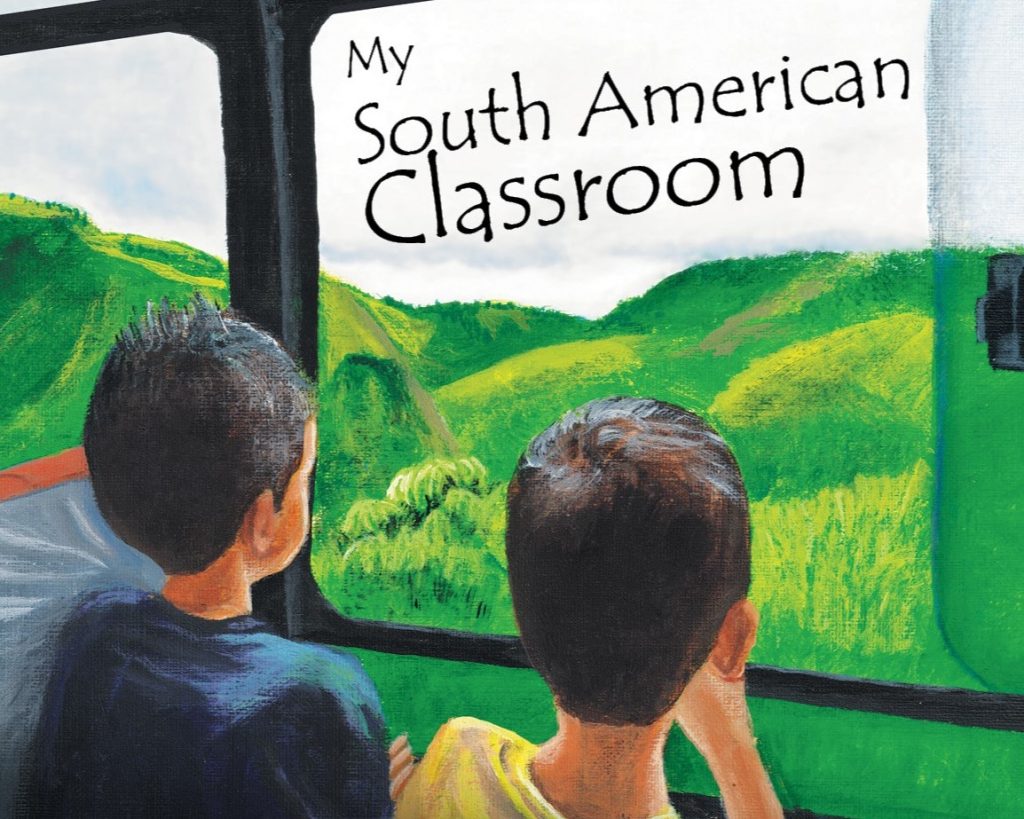
A Book for Little Travelers
A True Story From Our Gap Year